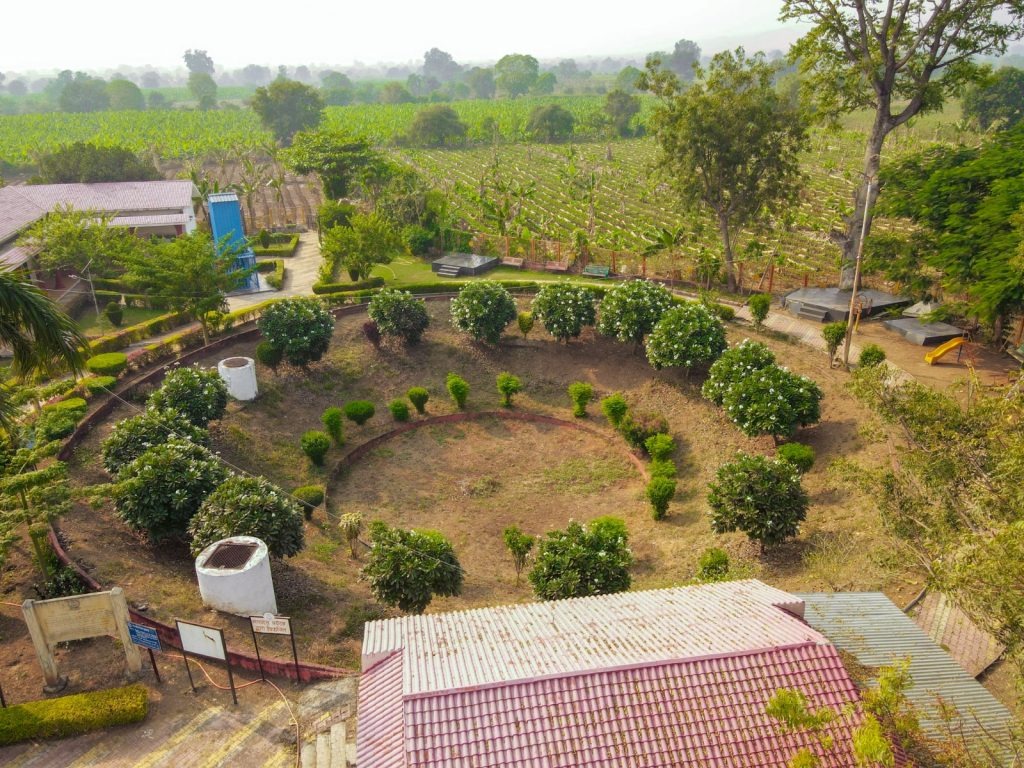
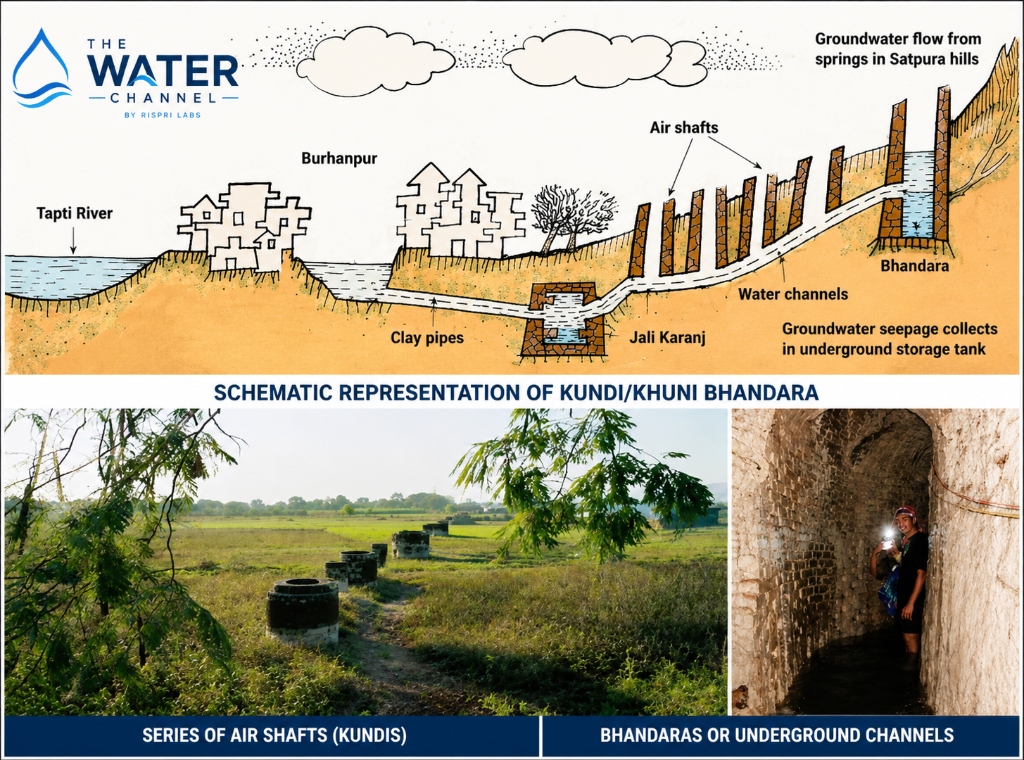
Khooni Bhandara, Burhanpur
1615 CE Mughal subterranean qanat system utilizing 103 vertical shafts and a 3.9 km marble conduit to deliver 1.8 MLD water with 0 kWh electricity.
Read Case Study →In-depth technical explorations of landmark water management systems, historical qanats, and traditional zero-energy engineering feats.
UNESCO Tentative List 2024
Built in 1615 CE by Persian geologist Tabkutul Arz under Subedar Abdur Rahim Khan-i-Khanan, this 3.9 km subterranean marble aqueduct and 103 vertical air-shaft kundis deliver 1.8 MLD clean water by pure gravitational force at zero energy cost.
1615 CE Mughal subterranean qanat system utilizing 103 vertical shafts and a 3.9 km marble conduit to deliver 1.8 MLD water with 0 kWh electricity.
Read Case Study →52 rock-cut subterranean water aqueducts engineered by Malik Ambar in 1617 CE supplying perennial mountain spring water across Aurangabad city.
Read Case Study →Ancient 2,500-year-old Iranian subterranean aqueduct networks tapping high mountain aquifers across 34,000 active channels in arid terrain.
Read Case Study →